
Data Storytelling
Topics: present to a technical and a nontechnical audience. Storytelling. Bring arcane subjects into general use. Use econometrics techniques. Pose hypotheses, set goals, perform analyses and draw conclusions.
Code: R / Tool: RStudio
People like stories. If data science brings value to the data, storytelling can bring value to data science.
We incorporate cases to fake scenes inspired by a motion picture: Pulp Fiction.
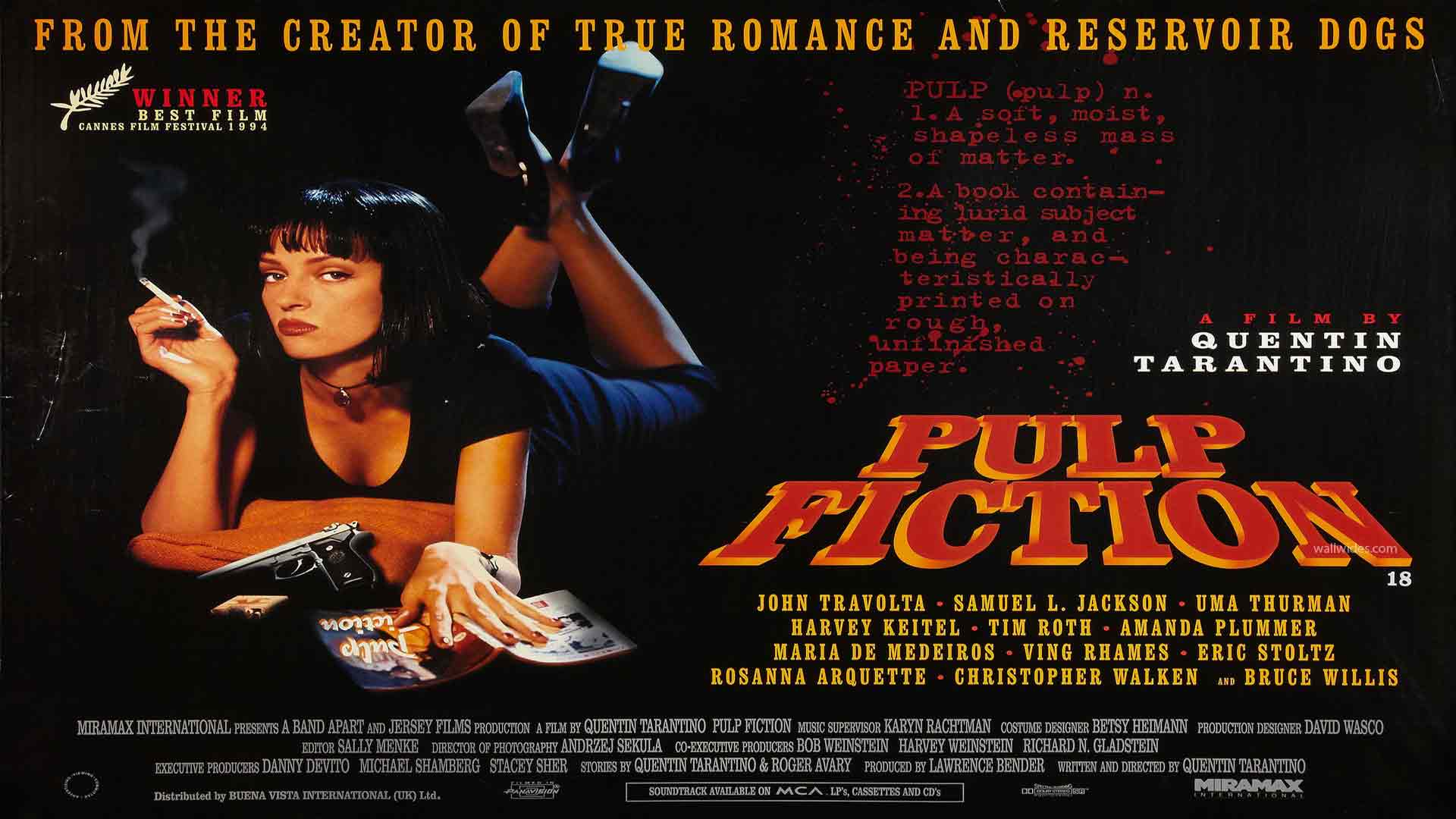
The cult classics is simply a backdrop. Does it make any sense to mix a 1994 scenario and modern data science cases: the answer is… no. Nevertheless, interweaving econometric analyses into the movie framework can be… enjoyable. We barely remember the numbers. We better remember the story; which reminds us of the numbers.
In the movie, Vincent and Jules like digressing: European habits and culinary curiosities, odds of being shot, coincidence or randomness…
They could have discussed many more things – we address these topics:
- Champagne production.
- Wine estate investment.
- Real estate valuation.
- Penetration of a new (drug) market.
- Impact of publicity on sales.
- Usury loans vs. saving rates.
- And many more.
Follow the story…
- Open the story in a new tab or in a new window; or print it.
…along with the series of cases.
- Consult the case in a new tab (Show/Hide All Code in the case upper-right corner).
Cut scenes
‘Data Storytelling’ covers the most common techniques. As with any movies, there are cut scenes: advanced or specialized techniques. Consult the case in a new tab.
Pulp Fiction classic scene
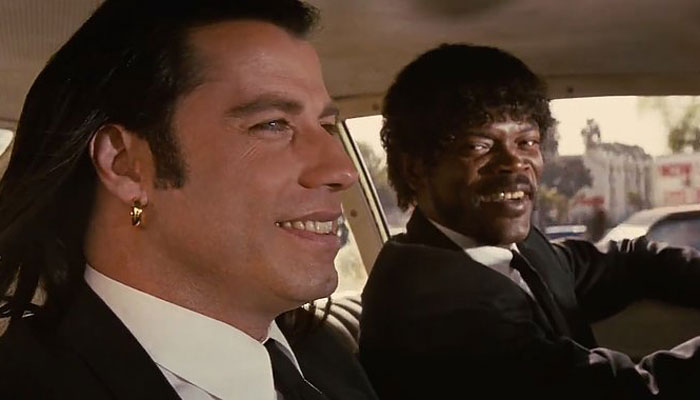
    VINCENT
Well, in Amsterdam, you can buy beer in a movie theater.
And I don't mean in a paper cup either.
They give you a glass of beer, like in a bar.
In Paris, you can buy beer at MacDonald's.
Also, you know what they call a Quarter Pound with Cheese in Paris?
    JULES
They don't call it a Quarter Pound with Cheese?
    VINCENT
No, they get the metric system there.
They don't know the f-@!* what a quarter pound is.
    JULES
What'd they call it then?
    VINCENT
They call it: a Royale with Cheese.
    JULES
Royale with Cheese! What'd they call a Big Mac?
    VINCENT
A Big Mac is a Big Mac, buy they call it Le Big Mac.
    JULES
Le Big Mac!
What do they call a Whopper?
    VINCENT
I dunno, I didn't go to Burger King.
But you know what they put on French fries in Holland instead of ketchup?
    JULES
What?
    VINCENT
Mayonnaise.
(...)